
Preparing for surgery
Preparing well before hip or knee surgery can support a safer operation and a smoother recovery. This guide explains the practical, medical and lifestyle steps you may be asked to take before admission.
Good preparation starts before you arrive at hospital
- Attend your preoperative assessment and required tests
- Continue suitable exercise and stay as active as you can
- Follow advice about medicines, smoking, diet and weight
- Prepare your home and support for the first days after discharge
Getting ready for your operation
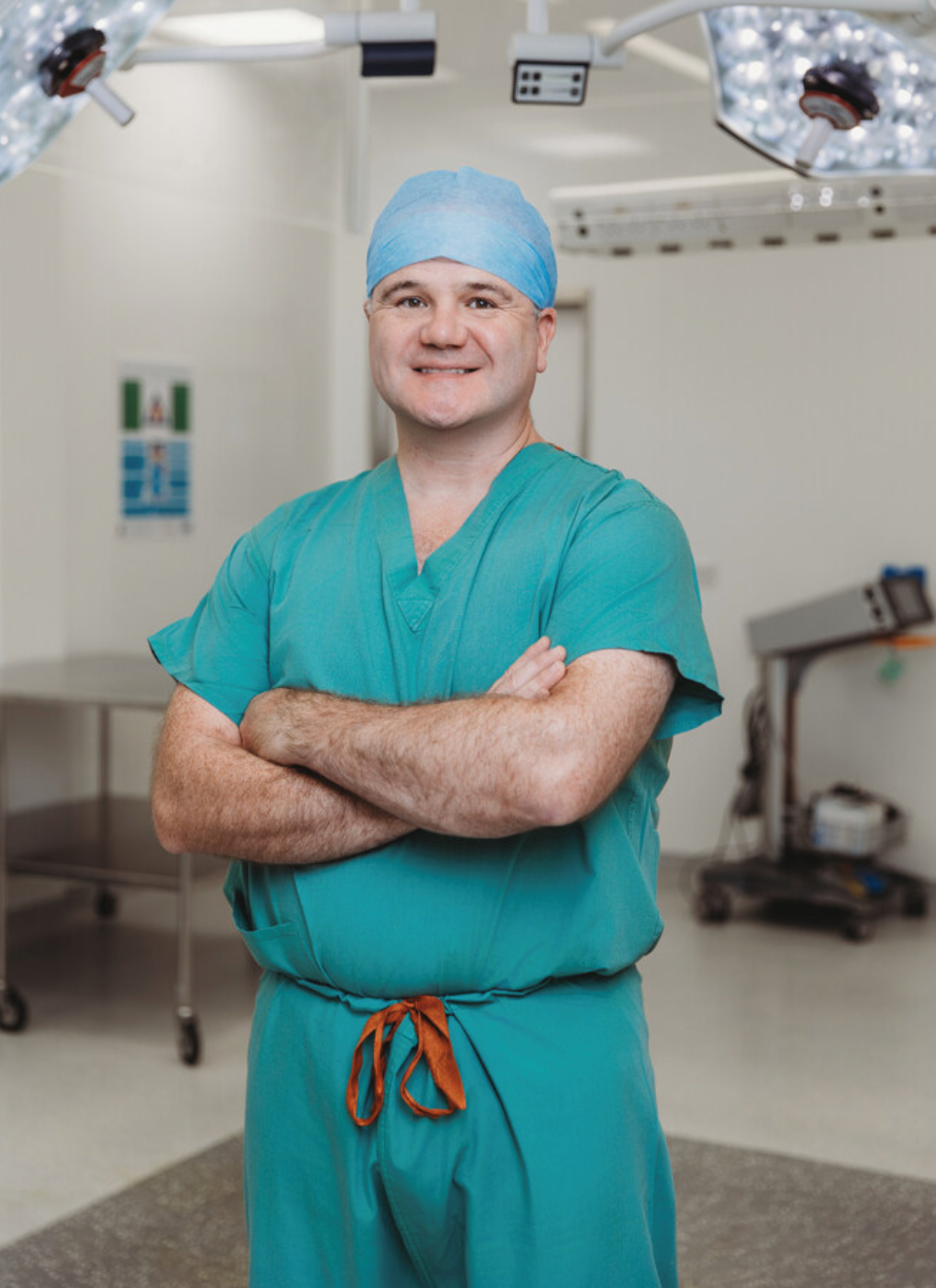
The period before surgery is an opportunity to improve your general health, understand what will happen and make practical preparations for recovery.
Before planned hip or knee replacement, you will normally have a preoperative or pre-admission assessment. This is used to review your health, medicines and any tests needed before the operation can proceed safely.
Preparation is not only medical. Staying active, maintaining strength, eating well, stopping smoking and managing your weight where appropriate can all form part of preoperative rehabilitation.
It is also useful to think ahead to the first days at home. Arranging help, making frequently used items easy to reach and planning how you will manage meals, shopping and household tasks can reduce unnecessary difficulty after discharge.
Infection is a rare but potentially serious complication following joint replacement surgery. In the run-up to your operation, it is important that there is no active infection elsewhere in your body. It may be worthwhile having a dental check-up, and any skin rash, wound or possible infected area should be brought to the attention of your surgical team before surgery. Any new chest or urinary symptoms should also be investigated before a planned operation.
Always follow the fasting, medication and admission advice provided directly by the hospital, even if it differs from general information on this page.
Prepare your body for recovery
NICE recommends preoperative rehabilitation advice for people having hip or knee replacement, including exercise, lifestyle measures and maximising independence before and after surgery.
Keep active
Continue appropriate walking and exercise within your symptoms. Maintaining mobility and muscle strength can help with the early stages of rehabilitation.
Practise your exercises
Follow any exercises advised by your physiotherapist or surgical team. Knowing the exercises beforehand can make them easier to continue after surgery.
Stop smoking where possible
Stopping smoking before surgery can support wound healing and reduce some surgical and anaesthetic risks. Ask for support if you need help to stop.
Eat well
A balanced diet helps support general health and recovery. If you have concerns about nutrition or unintended weight loss, discuss these before surgery.
Work towards a healthier weight
Where appropriate, gradual weight management may improve general health and reduce the load placed through painful hip and knee joints.
Prepare mentally as well as physically
Understanding the operation, likely recovery and your role in rehabilitation can help you feel more prepared and confident about the process ahead.
Making sure you are ready for surgery
Before a planned operation, the hospital will usually arrange a pre-admission assessment. This helps identify medical issues that may need attention before surgery and provides an opportunity to review medicines and discuss the admission.
Depending on your age, health and procedure, investigations can include blood tests, an ECG, X-rays, urine testing or other tests. You may also be given information about anaesthesia, pain relief, blood-clot prevention and what to expect after the operation.
Have this information ready
- An up-to-date list of medicines and doses
- Details of allergies
- Relevant medical conditions
- Previous operations or anaesthetic problems
- Contact details for your GP and relevant specialists
Ask if anything is unclear
- Which medicines should be stopped or continued
- When to stop eating and drinking
- What time and where to arrive
- What to bring into hospital
- Who to contact if you become unwell before surgery
Four stages before admission
Complete your preoperative assessment
Attend any requested appointments and tests, and make sure the clinical team knows about your medicines, allergies and relevant medical history.
Prepare physically
Continue suitable exercise, follow lifestyle advice and try to arrive at surgery as fit, mobile and well nourished as your condition allows.
Prepare your home
Arrange practical help, clear trip hazards, make everyday items easy to reach and think ahead about meals, shopping and transport.
Follow your final hospital instructions
Check fasting times, medication instructions, admission details and what to bring. Contact the hospital if you become unwell or have a new infection before surgery.
Get home ready before you go into hospital
Small practical changes can make the first days of recovery easier and allow you to concentrate on walking, exercises and regaining independence.
Make everyday tasks easier
- Move commonly used items to an easy-to-reach height
- Remove loose rugs and unnecessary trip hazards
- Prepare or freeze some simple meals
- Arrange help with shopping, pets or heavier household tasks
- Make sure important telephone numbers are easy to find
Plan how you will get home
You will not be able to drive yourself home after surgery. Arrange suitable transport and make sure whoever is helping you knows when you are likely to be discharged.
If you live alone or have concerns about managing at home, raise this with the hospital team before surgery so that suitable advice can be given.
Follow the instructions provided by your hospital
Your admission letter and preoperative team will give you the exact instructions for your operation. These take priority over general guidance.
Eating and drinking
Follow the fasting instructions you have been given exactly. The permitted timing of food, clear fluids and other drinks depends on your anaesthetic and hospital protocol.
Take only what you have been advised
Some medicines are continued and others may need to be stopped or adjusted. Do not change regular medication unless your clinical team has advised you to do so.
Bring the essentials
Bring the documents, medicines and personal items requested by your hospital, together with comfortable clothing and suitable footwear for mobilisation.
Questions about preparing for surgery
Why do I need a preoperative assessment?
The assessment helps confirm that you are fit enough for surgery, identifies medical issues that may need attention and allows the team to review medicines, investigations and the planned admission.
Should I exercise before joint replacement?
NICE recommends advice on exercises before and after hip or knee replacement. Continue only exercises that are suitable for you and follow any specific guidance from your physiotherapist or surgical team.
Should I stop smoking before surgery?
Stopping smoking is encouraged because it can reduce some surgical risks and support recovery and wound healing. If you smoke, speak to your GP, pharmacist or surgical team about support.
What should I do if I become unwell before the operation?
Contact the hospital or surgical team if you develop a new infection, fever, significant illness or another health problem before surgery. They can advise whether your operation can proceed safely.
When should I stop eating and drinking?
Follow the specific fasting instructions provided by your hospital. Do not rely on generic timings, because instructions can vary according to the planned anaesthetic and local protocol.
Understand what recovery and rehabilitation involve
Knowing what to expect after surgery can help you prepare practically and understand the role that walking, exercise and rehabilitation will play in your recovery.