
Hip and knee injections
Joint injections can sometimes provide short-term relief from pain and inflammation and may help support rehabilitation. Their role depends on the diagnosis, previous treatment and what you are hoping to achieve.
Injections are usually part of a wider treatment plan
- Corticosteroid injections can reduce pain and inflammation temporarily
- They do not reverse osteoarthritis or repair damaged cartilage
- Relief varies from person to person
- Injection treatment may help support exercise and rehabilitation
What are joint injections?
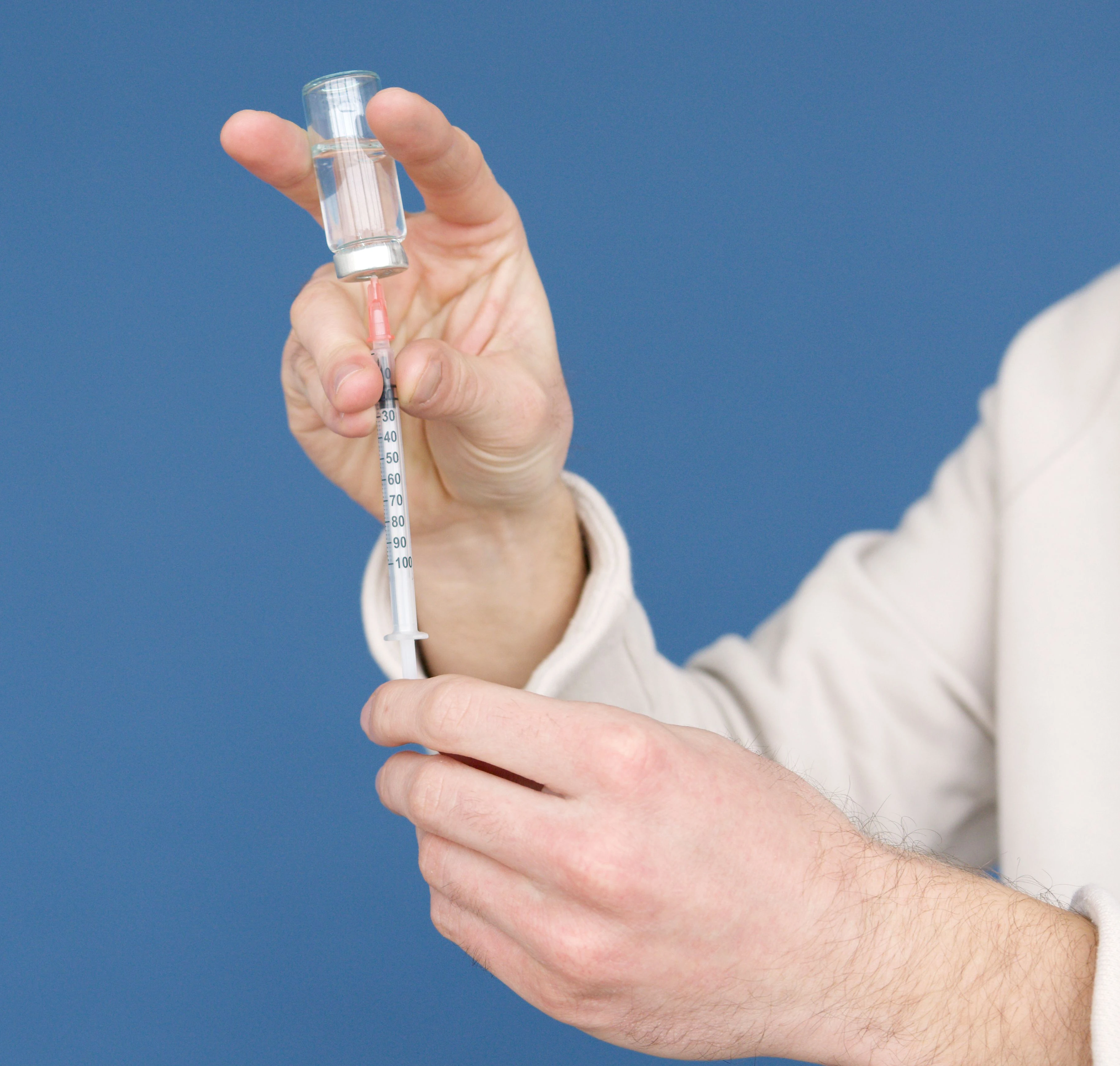
A joint injection places medication directly into or around a painful joint. In orthopaedic practice, corticosteroid injections may be considered for selected patients when symptoms remain troublesome despite other measures.
Corticosteroids are anti-inflammatory medicines. When injected into an affected joint, they can reduce inflammation, pain and stiffness for a period of time. Local anaesthetic may sometimes be used alongside the steroid.
An injection does not repair osteoarthritis, regenerate cartilage or permanently remove the underlying cause of joint pain. Its role is generally symptom control and, in some cases, creating a window in which movement, exercise and rehabilitation are easier.
Whether an injection is appropriate depends on the diagnosis, previous treatment, general health, medicines and future treatment plans. The benefits and risks should therefore be considered individually.
For osteoarthritis, therapeutic exercise and weight management where appropriate remain core treatments. Corticosteroid injections may be considered when other pharmacological treatments are ineffective or unsuitable, or to support therapeutic exercise.
Injection treatment starts with the diagnosis
The value of an injection depends on knowing what is causing the symptoms. The joint involved, degree of arthritis, previous treatment and wider rehabilitation plan are considered before an injection is recommended.
Relief is usually temporary rather than curative
A corticosteroid injection may reduce pain and inflammation for a period of time, but it does not repair damaged cartilage. Its role is often to make movement, exercise and rehabilitation easier.
How injections may be used
The exact technique and medication depend on the joint, diagnosis and purpose of treatment.
Reducing pain and inflammation
A corticosteroid injection may provide temporary relief where inflammation and pain are limiting activity or rehabilitation.
Short-term pain relief
Local anaesthetic may sometimes be used alongside an injection to numb the area temporarily and can occasionally provide useful diagnostic information.
Accurate placement when needed
Some injections, particularly deeper joints such as the hip, may be performed with ultrasound or X-ray guidance to help position the needle accurately.
What should you expect from an injection?
For osteoarthritis, corticosteroid injections are intended to provide short-term symptom relief rather than change the underlying disease. NICE advises explaining that relief is typically short term, in the region of two to ten weeks.
Responses vary. Some people notice useful improvement while others experience little benefit. A successful injection may make walking, strengthening exercises or physiotherapy easier for a period of time, but it should not replace the wider management of osteoarthritis.
NICE guideline NG226 advises not offering intra-articular hyaluronan injections for osteoarthritis because current evidence does not show sufficient clinical benefit.
Your injection appointment
Clinical assessment
The diagnosis, previous treatment, medicines, allergies, general health and reasons for considering an injection are reviewed before proceeding.
Preparing the joint
The skin is cleaned carefully. Local anaesthetic may be used, and image guidance may be appropriate for some joints or injection techniques.
Giving the injection
A needle is positioned into the appropriate area and the medication is injected. The procedure itself is usually relatively quick.
Aftercare and follow-up
You will receive advice about activity afterwards, what symptoms to expect and when to seek medical advice. Further treatment depends on your response and underlying diagnosis.
Why an injection may be considered
The main potential benefit is temporary reduction in pain and inflammation, which may improve movement and make rehabilitation more manageable.
- Short-term reduction in pain
- Reduced inflammation and stiffness
- Easier movement for some patients
- Potential support for physiotherapy and exercise
- A non-surgical option for selected patients
The degree and duration of benefit cannot be predicted precisely and some patients experience little improvement.
Important points before treatment
Joint injections are generally straightforward procedures, but side effects and complications can occur and repeated injections may not be appropriate.
- Temporary pain or swelling after the injection
- Bruising or bleeding around the injection site
- Infection, which is uncommon but potentially serious
- Temporary changes in blood glucose, particularly in people with diabetes
- Skin or soft-tissue changes around the injection site
- Temporary rather than permanent symptom relief
- Need for further treatment if symptoms return
What happens afterwards?
It is common to have some temporary soreness after an injection. Your individual aftercare advice may vary according to the joint and medication used.
Take things relatively easily
NHS advice recommends resting the treated joint for around 24 hours after a hydrocortisone injection and avoiding heavy exercise immediately afterwards.
Return to activity gradually
Normal activity can usually be rebuilt according to comfort and the advice given. Improvement from a corticosteroid injection may take a few days to become apparent.
Know what is unusual
Seek medical advice for unexpected or concerning symptoms. Increasing redness, heat, swelling and pain around the joint, particularly with fever or feeling unwell, requires urgent assessment.
Questions about hip and knee injections
How long does a steroid joint injection last?
The duration varies. For osteoarthritis, NICE advises that intra-articular corticosteroid injections provide short-term relief, typically around two to ten weeks. Individual responses can be shorter or longer.
Will an injection cure arthritis?
No. A corticosteroid injection may reduce pain and inflammation temporarily, but it does not reverse osteoarthritis or restore damaged cartilage.
Can I have repeated injections?
Repeat injections are not automatically appropriate. The decision depends on the joint, previous response, medication used, other health factors and future treatment plans. Repeated steroid injections can also carry additional risks to local tissues.
Do hip injections need image guidance?
The hip is a deep joint, so image guidance may be used to help place the needle accurately. The technique recommended depends on the purpose of the injection and the clinical setting.
Are hyaluronic acid injections recommended for hip or knee arthritis?
NICE does not recommend intra-articular hyaluronan injections for osteoarthritis. This differs from corticosteroid injections, which may be considered for short-term symptom relief in selected circumstances.
Find out whether an injection may have a role in your treatment
A consultation with Mr Dowen can establish the likely cause of your symptoms, review previous treatment and discuss whether an injection, rehabilitation or another treatment pathway is most appropriate.