
Knee arthroscopy
Knee arthroscopy is keyhole surgery that allows the inside of the knee to be examined with a small camera and, where appropriate, treated using fine surgical instruments through small incisions.
Keyhole surgery for selected knee problems
- A small camera is inserted through a keyhole incision
- Additional small instruments can be used when treatment is required
- It may be appropriate for selected meniscal or mechanical problems
- It is not recommended simply to wash out an osteoarthritic knee
What is knee arthroscopy?
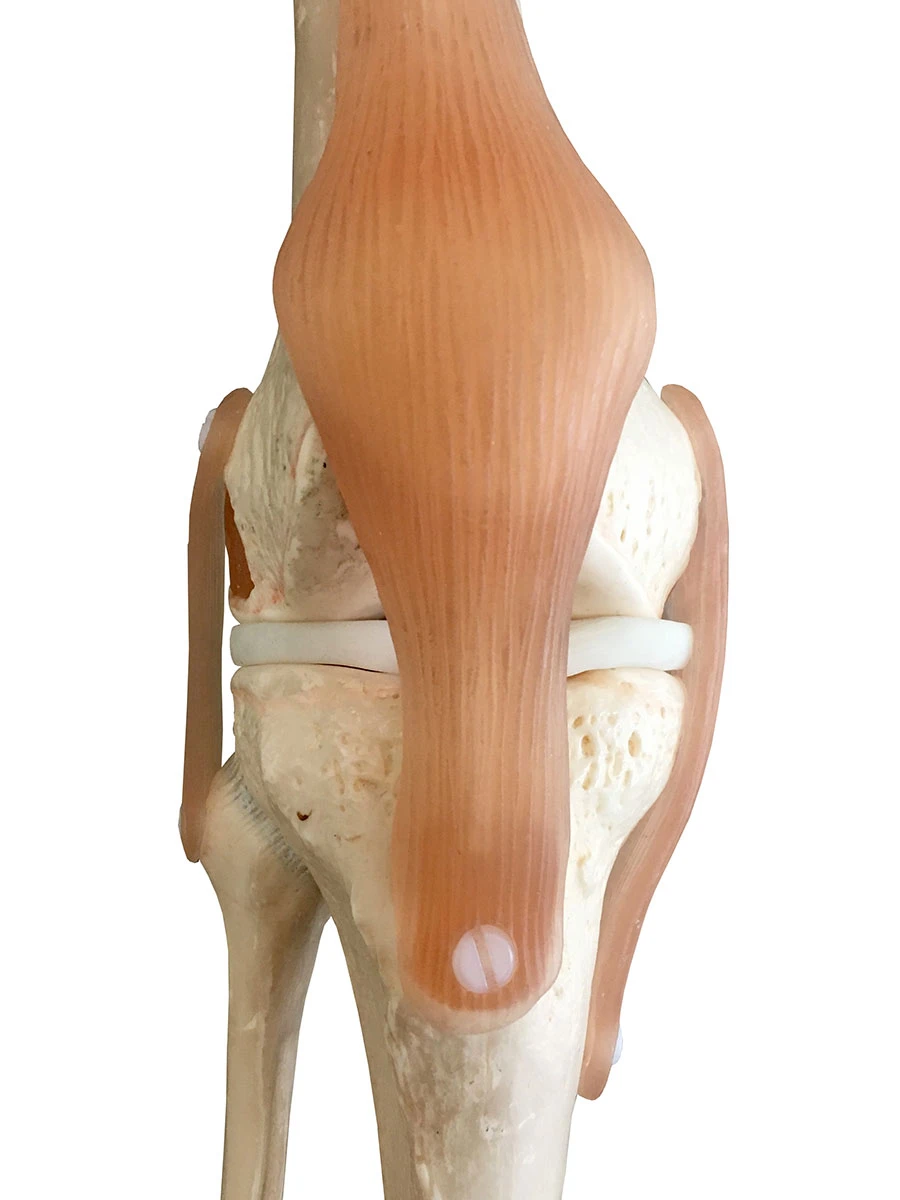
Arthroscopy is a minimally invasive surgical technique used to look inside a joint and, in selected cases, perform treatment at the same time.
During knee arthroscopy, a small camera called an arthroscope is introduced through a small incision. The camera sends images of the inside of the joint to a screen, allowing the surgeon to assess structures including the menisci, cartilage and other tissues.
Additional small instruments can be passed through separate keyhole incisions when a specific problem is suitable for treatment. This may include selected meniscal tears, unstable tissue or other mechanical problems.
Arthroscopy is not automatically appropriate for every painful knee. Modern assessment relies on identifying a condition that is likely to benefit from keyhole surgery rather than using arthroscopy simply as a diagnostic exploration.
Symptoms, clinical examination, imaging and the condition of the rest of the knee are considered together before surgery is recommended.
When might knee arthroscopy be appropriate?
Arthroscopy is most useful when there is a specific structural or mechanical problem that can reasonably be treated through keyhole surgery.
Selected meniscal tears
Arthroscopy may be considered when a meniscal tear is causing persistent symptoms and is suitable for repair or treatment.
Locking or catching
A displaced meniscal tear or loose fragment may interfere mechanically with movement and can sometimes be treated arthroscopically.
Loose fragments
Selected loose pieces of cartilage or bone within the joint may be removed when they are responsible for significant mechanical symptoms.
Arthroscopy is not a routine treatment for knee osteoarthritis
Knee pain caused mainly by osteoarthritis should usually be managed using evidence-based osteoarthritis treatments rather than keyhole washout or debridement. Arthroscopy does not reverse arthritis or replace the damaged joint surface.
A patient with arthritis can still develop a separate mechanical problem, but the potential benefit of arthroscopy needs to be assessed carefully. The presence of a degenerative meniscal tear on MRI alone does not necessarily mean that surgery will improve symptoms.
NICE guidance states that arthroscopic lavage or debridement should not be offered to people with osteoarthritis. Where arthritis is the main problem, exercise, symptom management and, when appropriate, joint replacement are more relevant treatment pathways.
What happens during knee arthroscopy?
Preparing for the operation
You will receive instructions about eating, drinking, medicines and anaesthesia. The procedure may be performed under general or regional anaesthesia depending on the operation and individual circumstances.
Viewing the knee
Small incisions are made around the knee and the arthroscope is introduced. Images from the camera allow the surgeon to inspect the relevant structures inside the joint.
Treating the identified problem
Where planned and appropriate, small instruments are introduced through another incision to repair or trim damaged tissue or remove a loose fragment.
Recovery and rehabilitation
The small wounds are closed or dressed and you are monitored in recovery. Many patients go home the same day, with rehabilitation depending on what was done inside the knee.
Why arthroscopy may be recommended
When there is a clear mechanical problem that is suitable for arthroscopic treatment, keyhole surgery can address the abnormal tissue while limiting the size of the surgical incisions.
- Treatment through small incisions
- Direct visual assessment of the inside of the knee
- Ability to treat selected meniscal or mechanical problems
- Usually a shorter initial recovery than major open knee surgery
The expected benefit depends on the diagnosis. Arthroscopy cannot guarantee complete relief of pain and will not remove symptoms caused by established arthritis elsewhere in the joint.
Important risks to understand
Arthroscopy is less invasive than joint replacement but it is still an operation. Individual risks are discussed before consent.
- Infection
- Blood clots
- Bleeding, swelling or wound problems
- Stiffness
- Nerve or blood vessel injury
- Persistent or recurrent symptoms
- Need for further treatment or surgery
Recovery depends on what is done inside the knee
Recovery from arthroscopy varies considerably. A simple procedure and a meniscal repair, for example, have different rehabilitation requirements and return-to-activity times.
Going home
Many patients are able to leave hospital within a few hours. Crutches may be needed for a short period depending on comfort and the procedure performed.
Managing swelling and movement
Some pain and swelling are expected. Exercises are used to restore movement, reduce stiffness and rebuild muscle control.
Building back gradually
Return to work, driving, sport and exercise varies according to the treatment performed, your progress and the advice of your surgical team.
Questions about knee arthroscopy
Is knee arthroscopy the same as keyhole surgery?
Yes. Arthroscopy is a form of keyhole surgery in which a small camera is introduced into the knee through a small incision. Additional small instruments can be used through other incisions when treatment is required.
Is arthroscopy suitable for knee arthritis?
Arthroscopic washout or debridement is not recommended as a treatment for osteoarthritis itself. Arthroscopy may occasionally be considered when there is a separate, clearly defined mechanical problem that is likely to benefit from keyhole treatment.
Does a meniscus tear automatically mean I need arthroscopy?
No. Many meniscal tears can initially be treated without surgery. Arthroscopy is considered when the tear pattern, symptoms and clinical findings indicate that operative treatment is likely to provide benefit.
Will I go home the same day?
Many arthroscopies are day-case procedures and patients can go home after recovery from the anaesthetic, although this depends on the procedure, timing and individual circumstances.
How long does recovery take?
NHS guidance notes that recovery from arthroscopy can range from around one week to several months. The exact timescale depends on what treatment was performed, the joint involved and your general health.
Find out whether keyhole surgery is appropriate for your knee problem
A consultation with Mr Dowen can establish the likely cause of mechanical knee symptoms, review existing imaging and discuss whether rehabilitation, arthroscopy or another treatment pathway is most appropriate.