
Hip replacement
Hip replacement surgery removes the damaged surfaces of a painful hip joint and replaces them with artificial components. The aim is to reduce pain, restore useful movement and help you return to everyday activity.
A treatment for severe hip joint pain and loss of function
- Most commonly performed for advanced hip osteoarthritis
- Usually considered after appropriate non-surgical treatment
- The damaged ball and socket surfaces are replaced with artificial components
- Recovery and rehabilitation continue for several months
What is a hip replacement?
A total hip replacement replaces the damaged surfaces of the hip joint with artificial components designed to create a new, smooth-moving joint.
The hip is a ball-and-socket joint. During surgery, the damaged femoral head - the ball at the top of the thigh bone - is replaced with a new ball attached to a stem within the femur. The damaged socket is also resurfaced with an artificial cup.
Hip replacement is most commonly performed for osteoarthritis when pain, stiffness and reduced function have become substantial and appropriate non-surgical treatment is no longer providing enough benefit.
The decision is individual. The severity of symptoms, impact on quality of life, general health, examination and imaging are considered together rather than relying on an X-ray alone.
The expected benefits, limitations, alternatives and individual risks should be discussed carefully before deciding to proceed.
When might hip replacement be considered?
NICE recommends considering referral for joint replacement when osteoarthritis symptoms substantially affect quality of life and appropriate non-surgical management is ineffective or unsuitable.
Reasons to consider surgery
- Persistent pain despite appropriate non-surgical treatment
- Increasing stiffness and loss of hip movement
- Walking distance is substantially reduced
- Pain is affecting sleep
- Work, exercise or everyday independence are increasingly limited
- Symptoms are having a major effect on quality of life
Alternatives before surgery
Depending on the diagnosis and severity of symptoms, non-surgical options may still be appropriate.
- Therapeutic exercise and strengthening
- Activity modification
- Weight management where appropriate
- Appropriate pain-relieving medication
- Walking aids where helpful
- Selected injection treatment in appropriate circumstances
What does hip replacement involve?
The details of implant choice, fixation and surgical approach are tailored to the patient and discussed as part of preoperative planning.
Replacing the ball
The damaged femoral head is removed and replaced with an artificial ball attached to a stem positioned within the thigh bone.
Replacing the socket
The damaged socket surface is prepared and fitted with an artificial cup that forms the new socket of the joint.
Creating the new joint
The new ball moves within the new socket. Components may be fixed in different ways according to bone quality, anatomy and implant design.
The implant system Mr Dowen commonly uses
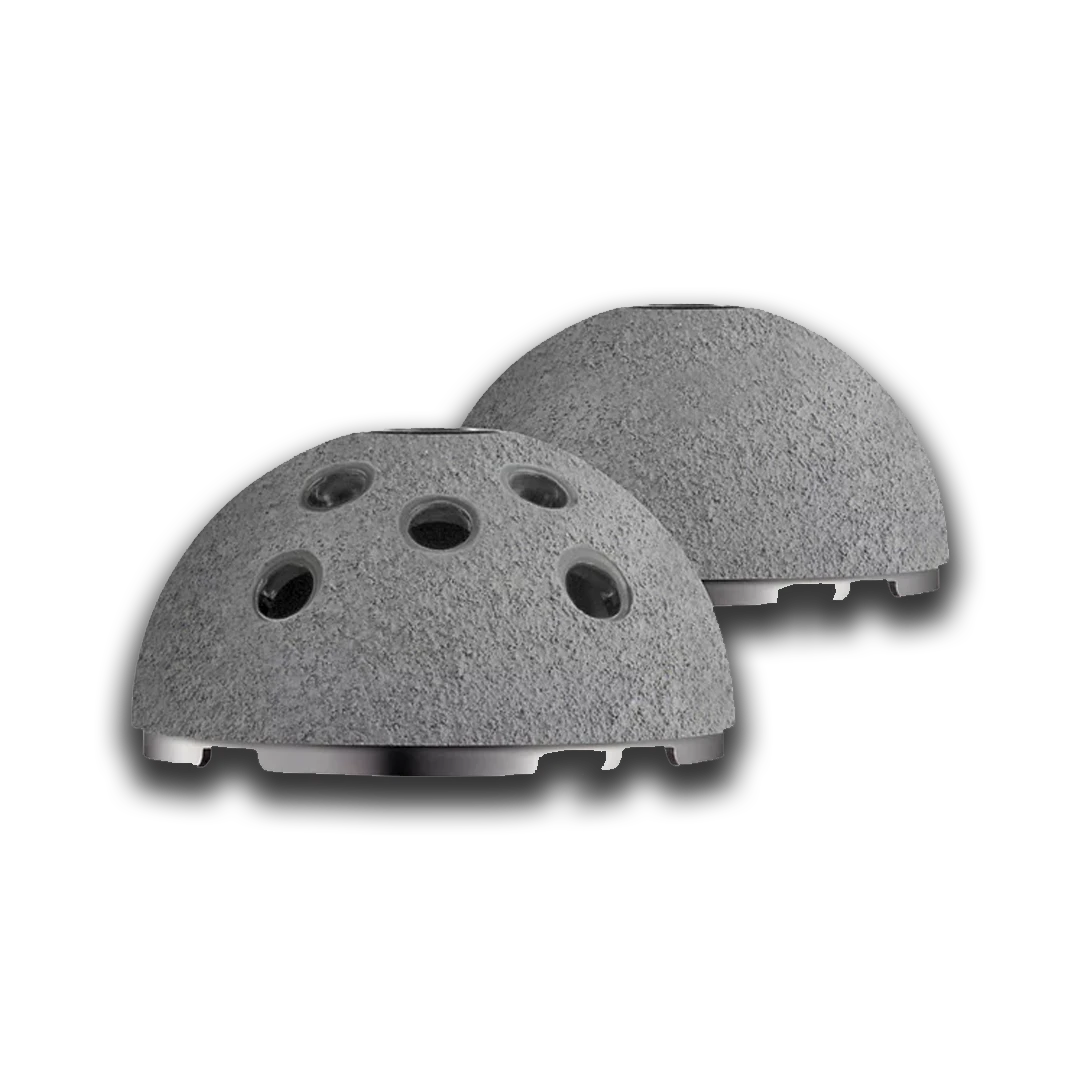
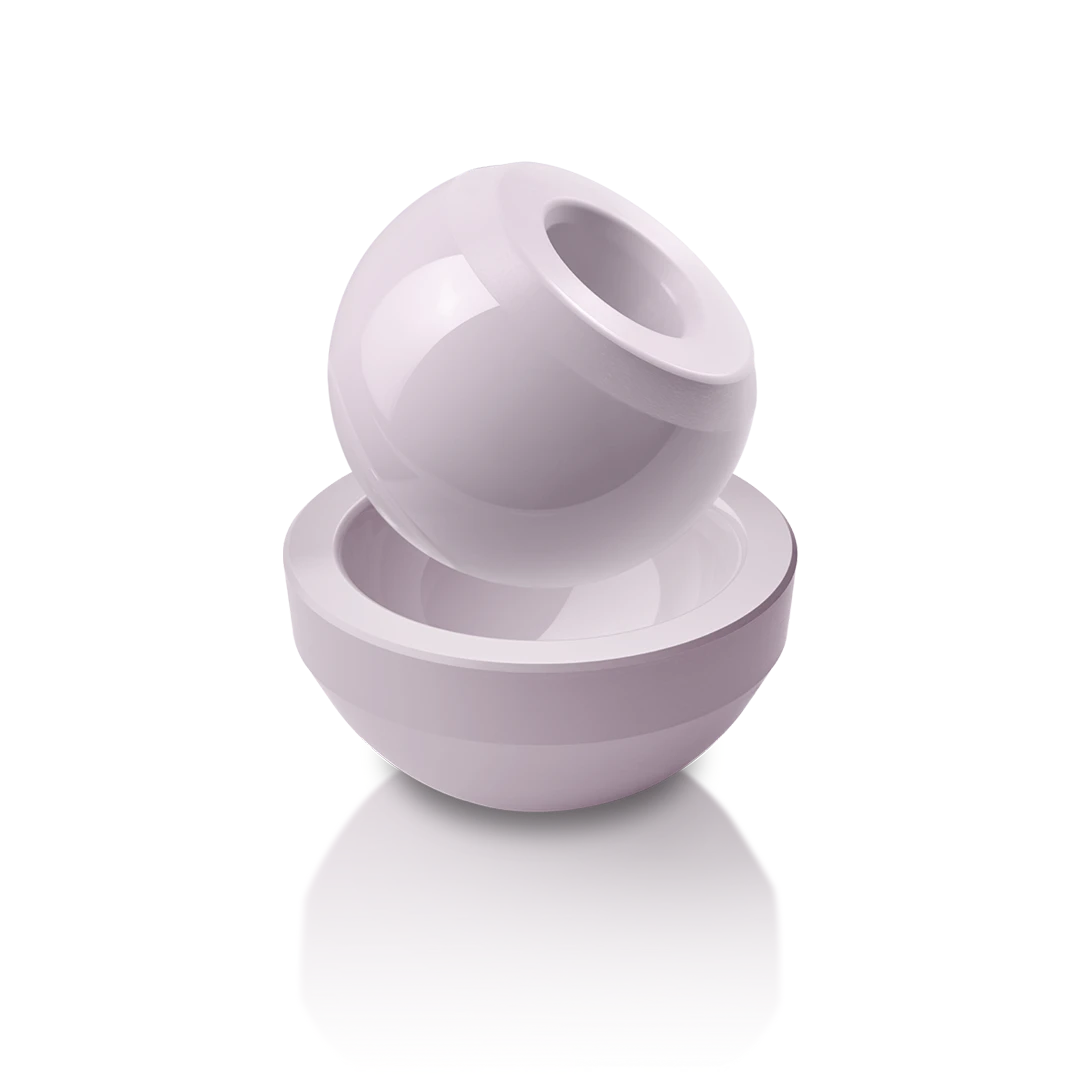
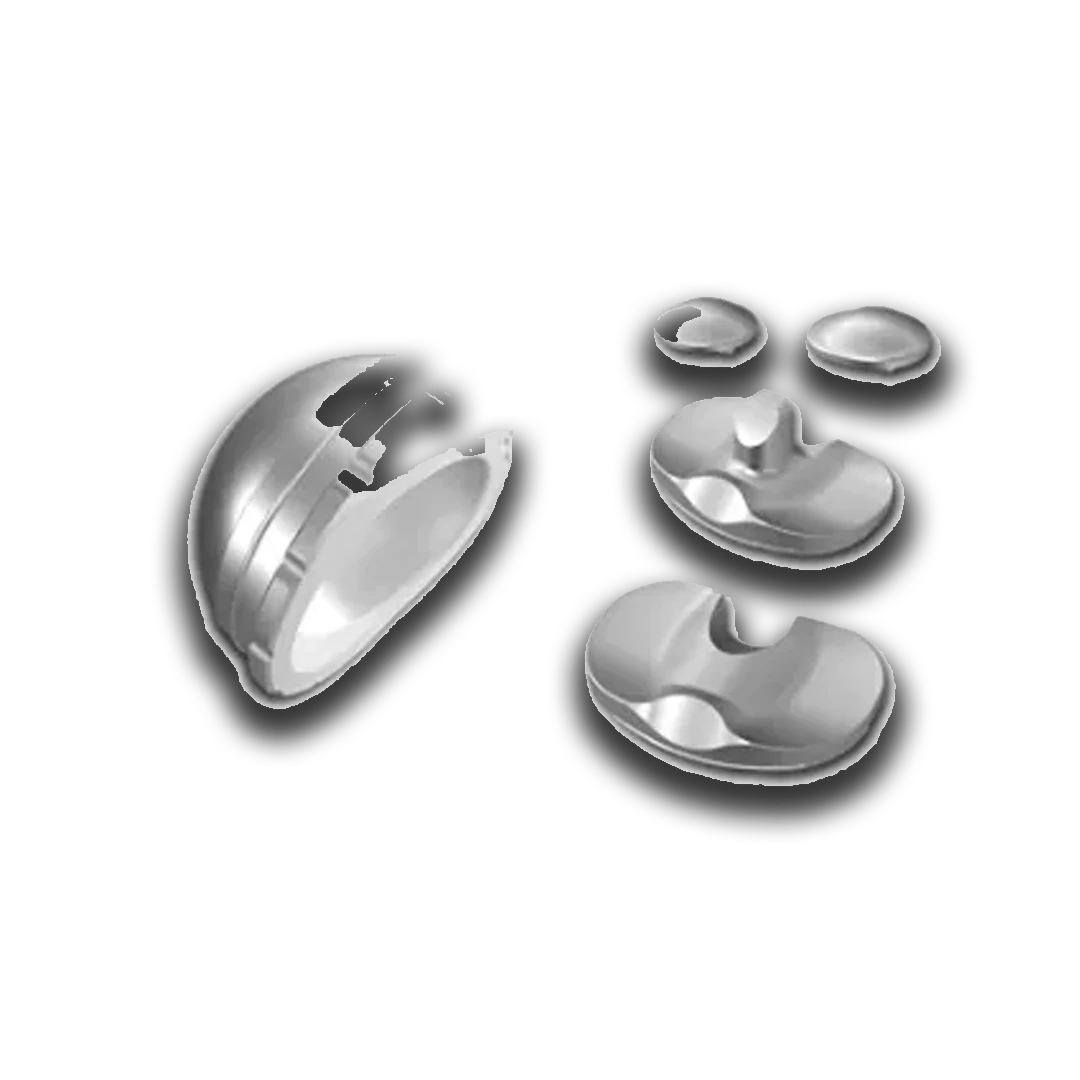
For primary total hip replacement, Mr Dowen commonly uses an Exeter stem with a Trident acetabular system and a ceramic-on-polyethylene bearing.
This means the femoral component is paired with a socket system that includes an X3 polyethylene liner, while the bearing surface uses a BIOLOX delta ceramic head articulating against polyethylene. Final component choice, sizing and fixation are tailored to the patient's anatomy, bone quality and surgical requirements.

From decision to recovery
Assessment and shared decision-making
Your symptoms, examination, imaging, previous treatment, health and personal priorities are reviewed before surgery is recommended.
Preparing for surgery
Preoperative assessment checks your general health and provides guidance on exercise, medicines, smoking, nutrition and preparing your home for recovery.
Surgery and hospital care
The damaged joint surfaces are replaced. Pain control, blood-clot prevention and early mobilisation form part of postoperative care.
Rehabilitation and return to activity
Walking and exercises begin early, with activity gradually increased over the following weeks and months according to your progress and clinical advice.
What hip replacement aims to achieve
The principal aim is relief of pain from the damaged hip joint. Improved movement and function can then help people return to everyday activities with greater comfort.
- Reduced hip pain
- Improved walking and mobility
- Improved ability to perform everyday activities
- Better sleep where night pain has been a problem
- Improved quality of life and independence
No operation can guarantee a completely pain-free hip or a return to every previous activity, and expectations are discussed before surgery.
Important risks to understand
Hip replacement is a major operation. Your own risk profile will depend on your general health, anatomy, previous surgery and other individual factors.
- Infection
- Blood clots in the leg or lungs
- Dislocation or instability
- Difference in leg length
- Bleeding, fracture or injury to nearby nerves or tissues
- Persistent pain or stiffness
- Wear or loosening of the components over time
- Need for further or revision surgery
Recovery continues over weeks and months
Recovery varies between patients. Hospital care focuses on safe mobilisation and basic independence, while strength, confidence and endurance continue to improve after discharge.
Getting moving
Walking begins with appropriate support and guidance. Exercises are used to restore movement and strength, while the wound and pain are monitored.
Building independence
Activity is gradually increased. Walking aids are reduced when safe, and everyday tasks become easier as strength and confidence return.
Returning to normal activity
Improvement can continue for several months. Return to driving, work, exercise and specific activities should follow the advice given for your individual recovery.
Good preparation can support recovery
NICE recommends giving patients advice on preoperative rehabilitation, and NHS guidance encourages strengthening exercise and attention to general health before hip replacement.
Your own preparation plan will depend on your health and circumstances, but improving fitness and addressing modifiable health risks before surgery can help make recovery more manageable.
- Continue appropriate strengthening and mobility exercises
- Stop smoking where possible
- Maintain a healthy diet
- Work towards a healthier weight where relevant
- Review medicines as instructed by the hospital team
- Prepare practical help and your home for the early recovery period
Questions about hip replacement
How do I know when I am ready for a hip replacement?
There is no single test or X-ray threshold. Hip replacement is generally considered when pain, stiffness and reduced function are substantially affecting quality of life and suitable non-surgical treatment is no longer providing enough benefit.
Will a hip replacement remove all my pain?
The main aim is to substantially reduce pain caused by the damaged hip joint, but no operation can guarantee complete pain relief. Other sources of pain, including the back or surrounding soft tissues, may still cause symptoms.
How long does recovery take?
Recovery is individual and continues for several months. Walking and basic function improve progressively, while strength, endurance and confidence can continue to develop over a longer period.
How long will a hip replacement last?
Modern hip replacements are designed for long-term use, but implants can wear or loosen and some patients eventually require revision surgery. Longevity varies with implant factors, age, activity and individual circumstances.
Can I have a second opinion before deciding on surgery?
Yes. A second-opinion consultation can review your symptoms, X-rays, previous treatment and the proposed operation so that you can make an informed decision about whether and when to proceed.
Discuss whether hip replacement may be appropriate for you
A consultation with Mr Dowen provides the opportunity to review your symptoms and imaging, discuss the alternatives to surgery and understand the potential benefits, risks and recovery involved in hip replacement.